
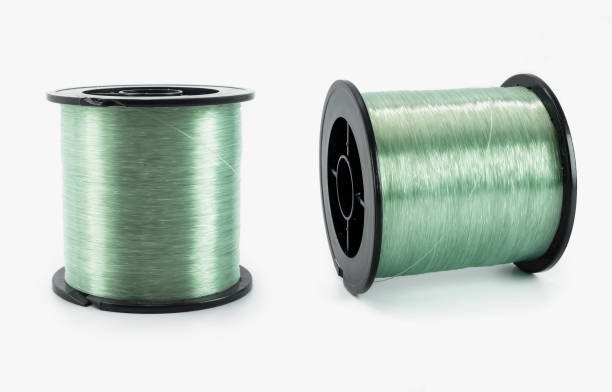

Sustainability has become one of the most important priorities for industries across the globe. Businesses today are actively seeking environmentally responsible materials that reduce environmental impact while maintaining high product performance. As industries continue to evolve toward greener manufacturing practices, eco-friendly monofilament yarn has emerged as a powerful solution for modern industrial applications.
From textiles and agriculture to filtration and packaging, manufacturers are increasingly adopting sustainable synthetic yarn solutions that align with global environmental goals. Eco-friendly monofilament yarn combines durability, flexibility, and performance with responsible manufacturing practices, making it an ideal choice for businesses focused on long-term sustainability.
The growing demand for sustainable industrial materials is also encouraging synthetic fiber manufacturers to innovate and develop advanced yarn technologies that support both industrial efficiency and environmental responsibility.
Understanding Eco-Friendly Monofilament Yarn
Monofilament yarn is a single continuous strand of synthetic fiber known for its strength, durability, and versatility. Eco-friendly monofilament yarn takes this concept further by incorporating sustainable manufacturing practices and environmentally conscious materials.
Modern eco-friendly yarn solutions focus on:
- Reduced energy consumption
- Recyclable materials
- Lower waste generation
- Improved production efficiency
- Sustainable polymer usage
Industries worldwide are now adopting Eco-Friendly Monofilament Yarn to meet both operational and environmental objectives.
Why Sustainability Matters in Manufacturing
Industrial manufacturing has traditionally been associated with high energy consumption and environmental impact. However, modern businesses are recognizing the importance of adopting sustainable production methods.
Sustainable manufacturing provides several benefits:
- Reduced carbon footprint
- Lower operational waste
- Improved energy efficiency
- Better compliance with environmental regulations
- Enhanced brand reputation
Consumers and businesses alike are increasingly supporting companies that prioritize environmentally responsible practices. As a result, sustainable materials are becoming a competitive advantage across industries.
Advantages of Eco-Friendly Monofilament Yarn
Eco-friendly monofilament yarn offers all the performance benefits of traditional synthetic yarn while contributing to sustainability goals.
1. High Durability
Sustainable monofilament yarn maintains excellent strength and durability, making it suitable for demanding industrial applications.
2. Reduced Environmental Impact
Advanced production techniques help minimize waste and energy consumption during manufacturing.
3. Long Product Lifespan
Durable materials reduce the need for frequent replacements, helping industries minimize material waste over time.
4. Versatility Across Applications
Eco-friendly monofilament yarn can be used in multiple industries without compromising product quality or performance.
Industrial Applications of Eco-Friendly Monofilament Yarn
The demand for sustainable yarn solutions is growing across various sectors due to increasing environmental awareness and stricter regulations.
Textile Industry
The textile sector is one of the largest adopters of sustainable synthetic materials. Eco-friendly monofilament yarn is increasingly used in:
- Technical textiles
- Industrial fabrics
- Home furnishing products
- Upholstery materials
Manufacturers prefer sustainable yarns because they improve product quality while supporting eco-conscious production.
Agricultural Applications
Agriculture requires durable materials capable of withstanding harsh environmental conditions. Sustainable monofilament yarn is widely used in:
- Crop protection nets
- Shade nets
- Agricultural fencing
- Greenhouse applications
Its resistance to moisture and UV exposure makes it ideal for outdoor agricultural use.
Filtration Systems
Industrial filtration systems rely heavily on monofilament yarn due to its uniform structure and strength. Sustainable yarn solutions are helping industries reduce environmental impact without compromising filtration performance.
Packaging Industry
Eco-friendly synthetic yarns are also gaining popularity in industrial packaging because they offer:
- Lightweight structure
- High strength
- Long-term durability
- Better sustainability performance
The Growing Role of Synthetic Fiber Manufacturers
The increasing demand for sustainable industrial materials has encouraged companies to invest heavily in eco-conscious manufacturing technologies.
Trusted synthetic fiber manufacturers are focusing on:
- Sustainable production methods
- Advanced recycling technologies
- Energy-efficient machinery
- Eco-friendly raw materials
- Waste reduction strategies
These innovations are helping industries transition toward greener manufacturing models while maintaining product efficiency and reliability.
Monofilament Yarn Uses in Sustainable Industries
The applications of monofilament yarn continue to expand as industries adopt more sustainable production methods.
Modern businesses are exploring innovative monofilament yarn across industries such as:
- Construction
- Automotive
- Agriculture
- Industrial filtration
- Packaging
- Consumer goods
The ability of monofilament yarn to provide both performance and sustainability makes it highly valuable in modern industrial manufacturing.
Innovation and Technology in Sustainable Yarn Manufacturing
Technology is playing a crucial role in advancing eco-friendly yarn production. Manufacturers are using advanced engineering and automation to improve efficiency while reducing environmental impact.
Some major innovations include:
- Precision extrusion systems
- Low-energy production technologies
- Advanced polymer processing
- Recyclable synthetic materials
- Automated quality control systems
These advancements allow manufacturers to produce yarns with:
- Better consistency
- Higher durability
- Reduced waste
- Improved sustainability metrics
Innovation is expected to continue driving the development of next-generation sustainable synthetic yarns.
Challenges in Sustainable Manufacturing
Although sustainability offers many benefits, manufacturers also face several challenges during implementation.
Higher Initial Investment
Eco-friendly technologies and sustainable production systems often require significant upfront investment.
Raw Material Availability
Sourcing sustainable raw materials consistently can sometimes be challenging for manufacturers.
Regulatory Compliance
Industries must continuously adapt to evolving environmental regulations and international sustainability standards.
Despite these challenges, the long-term benefits of sustainable manufacturing outweigh the initial obstacles.
Future of Eco-Friendly Synthetic Yarn
The future of sustainable synthetic yarn manufacturing looks highly promising. Global industries are increasingly prioritizing environmental responsibility, which is expected to drive long-term market growth.
Several trends are shaping the future of the industry:
- Increased recycling initiatives
- Circular economy adoption
- Sustainable product innovation
- Greater investment in green technologies
- Rising consumer awareness
Industries that adopt sustainable materials early will likely gain a significant competitive advantage in the future marketplace.
Why Businesses Are Switching to Sustainable Yarn Solutions
Modern businesses understand that sustainability is no longer optional. Companies are now selecting suppliers and materials based on:
- Environmental impact
- Product lifecycle
- Corporate sustainability goals
- Regulatory compliance
- Brand reputation
Eco-friendly monofilament yarn helps businesses achieve these objectives while maintaining operational performance.
By adopting sustainable yarn solutions, companies can improve both environmental and business outcomes simultaneously.
Choosing the Right Sustainable Yarn Manufacturer
Selecting the right manufacturing partner is essential for ensuring quality and sustainability.
Businesses should consider:
- Manufacturing expertise
- Sustainability certifications
- Product quality standards
- Technical support
- Innovation capabilities
- Supply chain reliability
Experienced manufacturers can provide customized solutions tailored to specific industrial applications.
Conclusion
Eco-friendly monofilament yarn is becoming a key driver of sustainable industrial manufacturing. Its durability, versatility, and environmental benefits make it an ideal material for industries seeking high-performance yet eco-conscious solutions.
As global industries continue to prioritize sustainability, the demand for advanced synthetic yarn technologies will continue to grow. Manufacturers investing in innovation, recycling, and energy-efficient production methods are helping shape a more sustainable future for industrial manufacturing.
Businesses partnering with trusted synthetic fiber manufacturers can benefit from reliable, environmentally responsible yarn solutions that support long-term operational success while reducing environmental impact.

